Dream Catcher First Person Explained - Why Londoners Love It
Dream Catcher First Person - Why Online Game Shows Are Such A Big Hit With Londoners
Dream Catcher First Person is a quick, self-paced game-show money wheel: you choose numbers, spin for a result, and (if you want) switch into a hosted live studio versionusing GO LIVE.
It’s the kind of “mini event” that fits London weeknights - when you’ve just shut the laptop, reheated dinner, and your social battery’s basically empty, and the idea of checking trains and swapping lines feels like effort.
In Short (key Takeaways)
- You choose a stake and pick 1, 2, 5, 10, 20, or 40- the wheel decides the outcome.
- If your number lands, you get a payout based on that number.
- 2x/7xare multipliers, not instant results - they trigger a re-spinand can multiply the next winning payout.
- GO LIVEchanges the atmosphere, not the core idea - it moves you into a hosted, streamed “money wheel” vibe.
- Best for quick “game-show energy” on nights you want something lively without going out.
- Keep it entertainment-first: set a budget/time limit and avoid chasing losses.
If you’ve ever wanted the bright lights of a game show without the Tube ride, this is built for that exact mood: quick, tactile, and oddly satisfying when the wheel clicks into place.
The goal here is simple: you’ll understand exactly how the wheel works, what 2x/7x multipliers really change, what “Go Live” actually does, and how to play in a way that stays entertainment-first.
London Game-show Energy
London has proper “step into the set” experiences - the Crystal Maze experience and the life-sized Monopoly board are great examples.
Let’s be real, half the time the weather is rubbish, the trains are a mess, and the last thing you want is to turn a simple plan into a whole trek across town. That’s where online game-show style formats make sense - you can get the “event” feeling without the planning.
Dream Catcher First Person Explained
Here’s the fast, confidence-building overview-so you can stop guessing and start recognizing what you’re seeing on-screen.
- What it is:A first-person, RNG-driven money-wheel game where you bet on which number the wheel will land on.
- How you win:If the wheel stops on your chosen number, it pays odds matching that number (e.g., 10 pays 10 to 1), and your stake is returned.
- What multipliers do:Landing on 2x or 7x triggers a re-spin that multiplies the next winning number payout; multipliers can stack.
- What “Go Live” does:It takes you from the first-person version to the live money-wheel table (hosted/streamed), per the rules.
- What decides outcomes:The first-person version uses a Random Number Generator (RNG) to determine the stopping point, according to the rules.
Rules shortcut:
- The wheel has 54 equal sectors.
- You can bet on 1, 2, 5, 10, 20, 40.
- If 2x/7x hits, your bets stay on, you spin again, and the next win is multiplied.
- “Go Live” doesn’t change odds-it jumps you into the live Money Wheel table for atmosphere.
Takeaway:If you can explain “numbers pay their number” and “2x/7x multiply the next win,” you already understand 90% of the game-next we remove the remaining confusion.
Before We Start-Dream Catcher First Person Vs Traditional Dreamcatchers
This section keeps you on-intent and saves you from the SERP confusion where “dream catcher” can mean two totally different things.
Dream Catcher First Personis a casino-style money-wheel game (created by Evolutionas part of its “First Person” suite), not the traditional handmade dreamcatcher associated with Indigenous cultural practices.
If you landed here looking for the history or meaning of traditional dreamcatchers, you’re in a different topic entirely-this page is strictly about the wheel-based game format and how it works.
Quick clarity: “Dream Catcher” (live) and “Dream Catcher First Person” (RNG) are closely related experiences, but they’re not identical products. If you’re comparing rules pages, always check you’re reading the correct version name.
Takeaway: Same words, different worlds-now we can talk about the game without the cultural detour.
How To Play Dream Catcher First Person
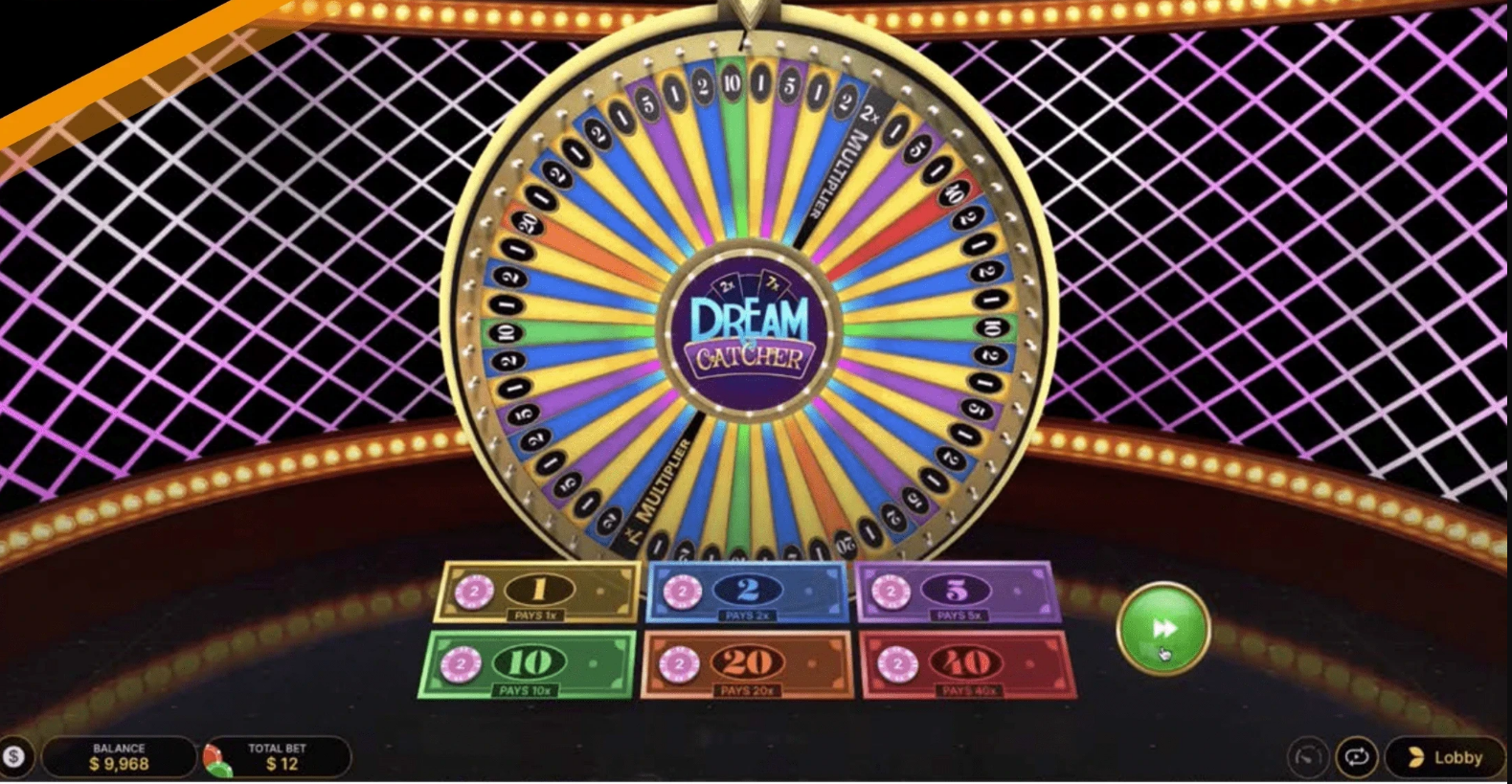
This section is your “no nerves” walkthrough-so the first spin feels familiar instead of frantic.
Step-by-step “first Spin” Walkthrough (bets → Spin → Result)
Here’s the clean, repeatable sequence (aligned with Evolution’s rules):
- Pick a stake (chip value) that you’re comfortable losing as entertainment money.
- Place one or more bets on the numbers you want (1, 2, 5, 10, 20, 40).
- Hit SPIN to start the wheel.
- Watch the pointer mark the winning sector when the wheel stops.
- If your number hits, you’re paid the matching odds and your stake is returned; if it doesn’t, that round’s bets are lost.
A Quick “first 5 Minutes” Checklist
- Confirm the available numbers: 1, 2, 5, 10, 20, 40
- Do one low-stake spin to see the full animation
- Find REBET / UNDO / DOUBLEso you don’t misclick
- Check bet limits(they vary by site)
- Locate historyso you can review outcomes if needed
The Wheel Numbers And What They Mean
The numbers are not “points.” They’re shorthand for payouts:
- If the wheel lands on 10, and you bet that number, it pays 10 to 1 (plus stake return).
- If it lands on 1, it pays 1 to 1 (plus stake return).
The wheel also includes 2x and 7x sectors. These don’t pay immediately; they modify what happens next (we’ll make that crystal clear in the next section).
The simplest mental model: “Numbers pay now. Multipliers pay later-if you win the next spin.”
Takeaway: Once you understand that the numbers are the payout odds, the whole interface becomes much easier to read.
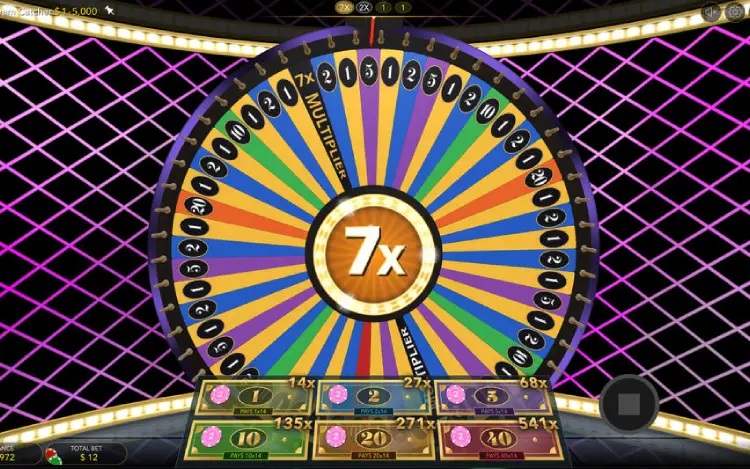
Multipliers Explained (2x And 7x)
This is the part people often misread at first, so here’s the clean version:
What Triggers A Multiplier And What Changes (bets Freeze, Re-spin)
Per Evolution’s game rules: if the wheel stops on 2x or 7x, your bets remain in place and no new bets are allowed. You spin again, and the next numbered result pays out at its usual odds-multiplied by 2 or 7 depending on the multiplier you hit.
- 2x / 7x isn’t an instant payout.
- It triggers a re-spinwith your existing picks staying in place.
- If your chosen number lands on the next spin, the payout is multiplied.
Example: if you picked 10and 2xlands, the wheel spins again - if the next result is 10, that payout is multiplied.
Common mistake to avoid: People treat 2x/7x like “bonus wins.” They’re not. They’re “bonus stakes on the next outcome.” That mindset shift prevents disappointment.
Stacking Multipliers
Yes, they can. If 2xlands and then 7xlands, the next winning payout can be multiplied by 14x. It’s rare, but it’s the kind of “big TV moment” people remember.
Takeaway: Multipliers are a payout amplifier, not a win button-understanding that keeps expectations realistic.
Payouts And Segments
If you want a clearer feel for how often each result appears, here’s the typical segment breakdown many guides refer to for this wheel format:
| Wheel result (segments / 54) | What it pays / does |
| 1 (23/54) | Pays 1 to 1 + returns stake |
| 2 (15/54) | Pays 2 to 1 + returns stake |
| 5 (7/54) | Pays 5 to 1 + returns stake |
| 10 (4/54) | Pays 10 to 1 + returns stake |
| 20 (2/54) | Pays 20 to 1 + returns stake |
| 40 (1/54) | Pays 40 to 1 + returns stake |
| 2x (1/54) | Locks bets → next numbered win is multiplied by 2 |
| 7x (1/54) | Locks bets → next numbered win is multiplied by 7 |
Two notes from the rules worth knowing:
- Maximum payout is limited (the rules reference a cap and direct you to the Bet Limits panel). The rules PDF mentions a cap of €500,000 or 20,000× bet (Data as of February 2026); your operator’s limits may vary.
- If you disconnect after pressing spin, the result is still decided by the RNG and you can see it in history after reconnecting, per the disconnection policy in the rules.
You’ll sometimes see RTP mentioned for this type of game. The most useful way to think about it is: it’s a long-run average, not a promise about what will happen in a short session.
Features You’ll Actually Use
Speed Modes (Fast / Normal / Relax)
The rules describe three speed modes-FAST, NORMAL, RELAX-and note that camera movement/animations change with speed. This is purely a comfort setting:
- Fast:Good for short attention spans and quick sessions.
- Normal:The default, “classic” pace.
- Relax:More animation and camera movement-best when you want the full spectacle.
These change presentation and pacing, not the underlying mechanics. If you’re winding down after work, a slower mode can make it feel more like a little show; fast mode is better for quick sessions.
Autoplay / Rebet / Quick Spin (use Gently)
These features make play more effortless - which is helpful, but it can also make it easier to lose track of time and spending.
- QUICK SPIN:Speeds up the spin animation to get results faster.
- REBET / REPEAT:Replays previous bets (useful if you’re consistent).
- DOUBLE (2x): Doubles all placed bets up to maximum limits-easy to misuse.
- UNDO:Removes your last bet (or clears bets if held).
- Autoplay:Repeats your selected bets for a set number of rounds; you generally can’t change bets while it runs.
A simple rule: if you use autoplay, keep it to a small number of rounds and treat it like a timer.
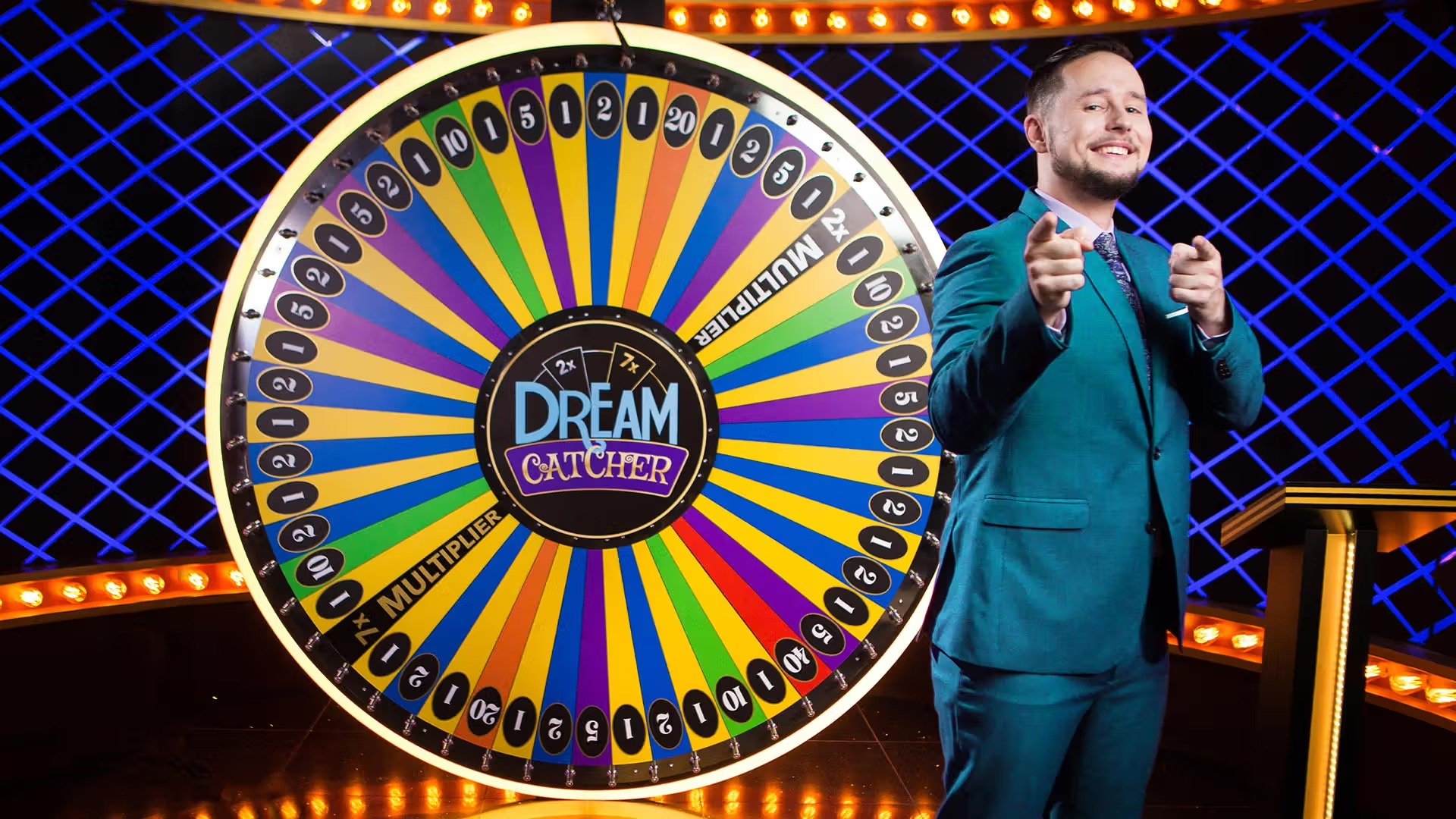
What The “Go Live” Button Changes
This is the moment you decide what kind of experience you want: quiet, self-paced spins-or a more social, hosted vibe.
Live Host, Chat, Pacing Vs Self-paced RNG
Evolution’s rules describe that selecting Go Live during betting time takes you directly to the Live Money Wheel table. In simple words:
- First Person:RNG-driven outcome, you control speed, it’s more private and pace-flexible.
- Live:A real host, live stream energy, and often a more communal feel (chat reactions,
What Go Live does not do: It doesn’t “upgrade your odds.” It changes the format-hosted studio vs self-paced interface. shared moments).
If you’re the type who likes the buzz of a crowd but hates planning, “Go Live” is the closest you’ll get to a hosted game-show vibe from your sofa.
Takeaway: Go Live doesn’t “upgrade your odds”-it upgrades your atmosphere.
Play Free First (best Way To Learn)
This section helps you learn the game without paying tuition in mistakes.
What Demo/free Play Is Good For, And What It Can’t Tell You
Some platforms offer demo/free-play versions of games like this. Understanding the differences between Real Money Slots vs Demo Slotsis essential for any player, especially when it comes to learning the ropes without the risk.
When they do, it’s brilliant for:
- Learning what each button does (especially REBET/UNDO/DOUBLE).
- Seeing how multipliers flow through re-spins.
- Finding the speed mode that feels fun rather than frantic.
What it can’t tell you:
- How you’ll feel about real-money swings (because emotions change the experience).
- Operator-specific limits, features, or rules variations (always check the in-game info and limits).
If you’re reading a rules page but your in-game interface shows different bet limits or toggles, trust the operator’s “Bet Limits / Info” panel first.
Takeaway: Free play is for confidence and muscle memory-not for predicting outcomes.
A Quick Reality Check (keeping It Entertainment-first)
There isn’t a strategy that changes outcomes in an RNG-driven game like this. The smartest “move” is simply keeping it comfortable:
- set a budget/time limit
- take breaks
- don’t chase losses
Maintaining a healthy balance is all about setting limits and staying in controlof your time and budget. Short, steady play usually feels better than turning it into a mission.
Why It Clicks With Londoners (and Anyone Who Likes Immersive Entertainment)
You’ll see why this game fits modern London life: entertainment on-demand, zero logistics, and a surprisingly “event-like” feel.
London is full of brilliant live nights-comedy, gigs, theatre, pop-ups-and live events in London are part of the city’s identity. But that identity comes with a cost: time, travel, queues, and the mental load of planning.
Dream Catcher First Person scratches a similar itch-bright visuals, a simple mechanic, a shared-language format-without asking you to cross town for it. And the wider trend is real: brands have leaned into immersive formats too, like the Netflix House immersive experience, because audiences increasingly want participation, not just passive watching.
When you add GO LIVE, it can feel less like “playing a game” and more like “joining a moment”-the same reason live streaming culture has become normal background entertainment for so many of us.
When time and energy are the real bottlenecks, “instant entertainment” isn’t a downgrade-it’s the whole value. This is basically a micro-event you can start in seconds.
Takeaway:It’s the game-show vibe without the commute-an “instant plan” for nights when London feels a bit too far away.
FAQs
What Is Dream Catcher First Person?
It’s a self-paced, RNG money-wheel game where you bet on numbers and spin for matching payouts, with occasional 2x/7x multiplier re-spins.
Is Dream Catcher First Person The Same As Live Dream Catcher?
The core wheel idea is similar, but First Person is RNG-driven and self-paced; live versions add a real host, stream, and more social atmosphere.
How Do You Play Dream Catcher First Person?
Choose your bet(s) on the wheel numbers, press Spin, and if the pointer lands on your number you win the matching payout odds.
What Happens If It Lands On 2x Or 7x?
Your bets stay in place, no new bets are allowed, and the next winning number payout is multiplied by 2x or 7x.
Do Multipliers Stack?
Yes. If consecutive multiplier results occur, the multipliers multiply together until a number result ends the round (example: 2x then 7x becomes 14x).
What Numbers Are On The Wheel?
The wheel uses the numbers 1, 2, 5, 10, 20, and 40, plus multiplier sectors that affect the next spin.
What Are The Payouts?
If you hit the number you bet on, it pays “to 1” matching the number (e.g., 10 pays 10:1), then returns your stake.
What Is RTP And Why Does It Matter?
RTP is the long-run theoretical return; it helps compare game value, but it doesn’t predict short-run results. (RTP values are in the official rules, Data as of February 2026.)
Can I Play Dream Catcher First Person For Free?
Some sites offer demo/free-play modes so you can learn the mechanics before wagering real money. Always check the specific platform you’re using.
Is There A Strategy To Win?
There’s no strategy that changes RNG odds; the only “smart play” is setting limits and managing variance expectations.
What Does The Go Live Button Do?
It switches you from the RNG first-person version to the live Dream Catcher table for a hosted, live-streamed experience.
Quick Recap
The shift toward digital, immersive entertainment isn't just about convenience-it's about quality. Dream Catcher First Person succeeds because it respects the player's time while providing the same "edge-of-your-seat" excitement found at physical attractions like the Crystal Maze or Monopoly Lifesized.
If you want the cleanest experience, start slow, learn multipliers, use speed controls intentionally, and treat “Go Live” as an atmosphere switch-not an odds switch.